
SAE certification (Specific Self-Monitoring System for Exports)is the mechanism that allows Spanish food companies to demonstrate that their products meet the health requirements set by countries outside the European Union.
In practice, the SAE allows final manufacturers toobjectively, documentedly, and verifiably demonstratethat each shipment destined for export meets the requirements of the destination country before it leaves the factory.
In an environment where international markets are tightening their requirements, SAE has become an essential requirement for:
- Exporting to third countries with health requirements that go beyond those of the EU
- Be listed on official lists of authorized exporters
- Obtain the veterinary export certificates (ASEs)
- Demonstrate traceability and control to international buyers and authorities
The SAE is directly related to food safety,supply chain traceability, and compliance withRoyal Decree 993/2014.
What is the SAE system?
TheSAE system is an audited system of specific self-control measuresthat must be implemented by food business operators who export products of animal origin or products containing animal-derived ingredients to third countries when those countries require health requirements that go beyond those set forth in European regulations.
The SAE must ensure that, for each shipment sent to those third countries, it can be demonstrated that all relevant data has been collected and analyzed prior to shipment and the issuance of the veterinary export certificate, in order to ensure the proper traceability of the products to be exported and compliance with the requirements set forth in the veterinary export certificate or in the agreements between the importing country and Spain or the EU.
The legal framework for this isRoyal Decree 993/2014, which sets forth the procedures and requirements for official veterinary certification for export. SinceMarch 1, 2016, it has been mandatory for all final production establishments (FPEs) that wish to export under these conditions.
In accordance with Royal Decree 993/2014, proof of compliance with the traceability and animal health requirements mandated by the importing country—when these are not equivalent to those of European regulations—must be validated by obtaining acertificate issued by an Independent Control Body (ICB)authorized by the General Directorate of Agri-Food Production Health and Animal Welfare (DGSPA) and accredited.
Who needs SAE certification?
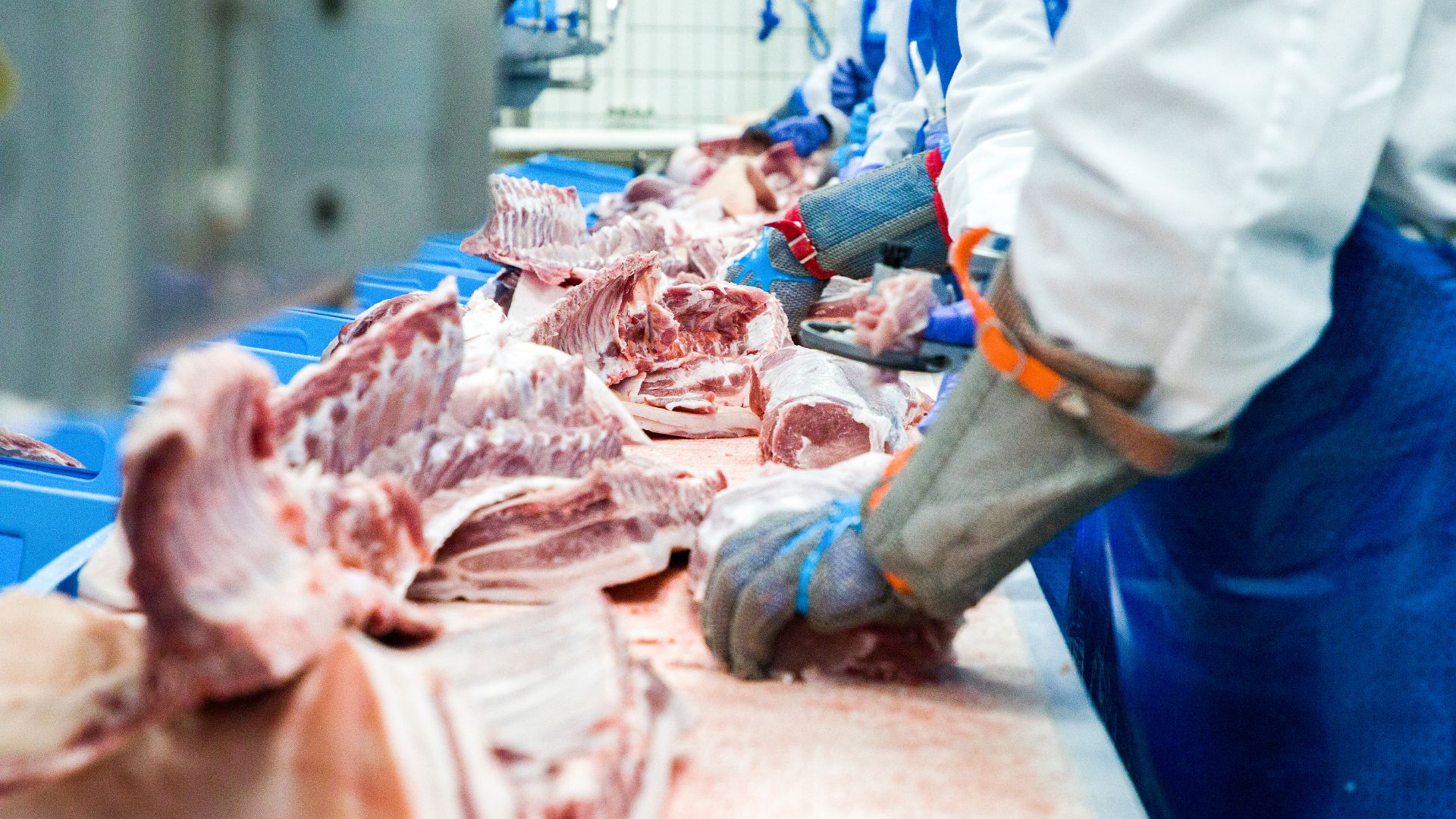
SAE certification is requiredwhen two conditions are met simultaneously: the company manufactures or markets products of animal origin—or products containing animal-derived ingredients—intended for export outside the EU, and the receiving country imposes health requirements that go beyond European standards or requires a list of authorized establishments as a precondition for import.
The certification applies specifically toFinal Production Facilities (EPF), whether they export directly or through other commercial operators, and indirectly to all intermediate facilities that have participated in the production chain for the product being exported.
Sectors that typically require the SAE:
- Meat industry
- Dairy sector
- Fishing and aquaculture companies
- Companies that produce eggs and egg products
- Beekeeping sector
- Producers of processed foods containing animal-derived ingredients
If your company operates in any of these sectors and plans to export outside the EU, the SAE is most likely a requirement you cannot ignore.
Requirements for the specific self-monitoring system
Therequirements for the specific self-monitoring systemare set forth in Royal Decree 993/2014 and in the “Protocol for the Certification of Specific Self-Monitoring Systems for Exports to Third Countries” (PR-EXP), currently in itsJuly 2023 Revision 4.
The system must demonstrate that, prior to each shipment, the company has verified and documented compliance with all requirements of the destination country. To this end, the SAE must include the following elements:
System Technical Documentation
The SAE must have amanual or general procedurethat describes how the system operates, who is responsible for managing it, and the scope of the products and markets it covers. This document serves as the starting point for any audit.
Identification and analysis of requirements by country and product
For each combination ofdestination country and product type, the company must have identified and analyzed the specific health requirements. This includes requirements regarding raw materials, ingredients of animal origin, applied treatments, storage and transport conditions, and veterinary health certificates.
Traceability Procedures
The system must ensure that, for each shipment, theorigin of the raw materials, the processes applied, the controls carried out, and the chain of establishments involved in the sourcing of the raw materials used can be accurately traced. Traceability must be verifiable at any time by the OIC and by the official control authorities.
Records per shipment
Before each export, the company must complete and retain thespecific shipping records:
- Product Information
- Lot
- Destination
- Inspections conducted
- Laboratory results
- Any other information necessary to demonstrate compliance.
These records constitute the core documentation that the OIC audits.
Requirements Update System
Requirements in destination countries change. The SAE must include amonitoring and updating procedureto ensure that the company periodically reviews the requirements document and adapts its system when regulatory changes occur in the markets to which it exports.

SAE Certification Process
TheSAE certification processinvolves implementing the system internally, having it audited by an authorized independent body, and obtaining the certificate that qualifies the facility to apply for ASEs.
Steps in the SAE certification process:
- Implementation of the SAEin accordance with PR-EXP and the specific requirements of each destination country
- Request for an auditby an Independent Certification Body (ICB) authorized by the DGSPA
- System auditconducted by the OIC, which verifies the documentation, records, and procedures in place
- Issuance of the SAE certificateby the OIC if the system passes the audit
- Inclusion on the official listof establishments with certified SAE published by the Ministry of Agriculture, Fisheries, and Food (MAPA)
The cost of certification varies depending on the certifying body, the complexity of the system, and the number of destination countries involved.
Benefits of SAE Certification
SAE certificationis not just a bureaucratic formality. For a company focused on exports, it is the key to accessing markets that would otherwise remain closed.
Key benefits of SAE certification:
- Access to third-country markets with health requirements that go beyond those of the EU
- Eligibility for inclusion onofficial lists of authorized establishmentsin destination countries
- Improvedtraceability and transparencythroughout the supply chain
- Agile adaptationto changes in international regulations thanks to the requirements update system
- Buildingconfidence among international buyersand health authorities
- Competitive advantage over companies that do not have a certified system
Companies without a certified SAE are automatically excluded from certain export markets, regardless of whether their product complies with European regulations.
Why work with ACERTA for SAE certification?
Having anauthorized Independent Certification Body (ICB)is an essential requirement for obtaining SAE certification. Not all bodies are authorized: the DGSPA requires that ICBs be accredited under theISO/IEC 17065standard and that their scope of accreditation specifically reference the audit scheme set forth in Royal Decree 993/2014.
ACERTA is a certification body with over20 years of experiencein the agri-food sector, authorized by the DGSPA to audit and certify Specific Self-Control Systems for Export. With over5,000 clientsin the food sector, we support companies throughout the entire process: from the initial evaluation of the system to the issuance of the certificate.
If your company exports or plans to export animal products outside the EU, please contact our team.
You may also be interested in learning about ourcertificationservicesfor the food industryandthe primary sector.
Benefits of certifying the SAE with ACERTA:
- Audits conducted byspecialistsin the agri-food sector
- Independent certification in accordance withISO/IEC 17065
- Up-to-date knowledge of the requirements ofmajor export markets
- Expert support for the audit
- Cross-industry experience with more than5,000 clientsin the food industry
Questions Frequently Asked Questions
-
SAE certification is the process by which an authorized independent body verifies that a food company has implemented a Specific Self-Control System for Export in accordance with Royal Decree 993/2014.
-
Directly, the final production facilities that export animal products to countries outside the EU that require additional health requirements or lists of authorized facilities. Indirectly, the facilities that have been involved in the production of the raw materials used to manufacture the products intended for export.
-
An independent certification body authorized by the DGSPA to audit and certify SAE systems. It must be accredited under the ISO/IEC 17065 standard.
-
This has been mandatory since March 1, 2016, for food business operators that export to countries with requirements that go beyond those of the European Union or that require lists of authorized establishments.
-
The system must be reviewed periodically to adapt to changes in the requirements of the destination countries. Audits are conducted annually.
-
The SAE does not certify the quality of the manufactured products or the food safety of the audited facilities; rather, it verifies compliance with the specific health requirements of the destination country for each export transaction.