

The HACCP (Hazard Analysis and Critical Control Points) systemis the most widely used preventive tool worldwide for ensuring food safety. Its purpose is to identify, assess, and control hazards that could compromise food safety before food reaches the consumer.
Far from being merely a legal requirement, HACCP enables food companies to minimize risks, improve the quality of their processes, and demonstrate their commitment to food safety. Furthermore, it serves as the foundation for major international standards, such asIFS Food, BRCGS, and ISO 22000.
In this article, you'll learn what the HACCP system is, what its seven fundamental principles are, which companies must implement it, and how to apply it correctly to comply with the law and strengthen the trust of customers, distributors, and regulatory authorities.
What is the HACCP system?
TheHACCP System, which stands for Hazard Analysis and Critical Control Points, is a preventive food safety management methodology designed to identify hazards that may arise during the production, processing, storage, transportation, or distribution of food and to establish effective measures to control them.
Unlike traditional systems, which focused on inspecting the final product, HACCP focuses on the process. Its purpose is to prevent hazards from affecting the food, thereby reducing the likelihood of incidents that could endanger consumer health.
This system applies to the entire food chain, from primary production through distribution to sale to the end consumer, and is tailored to the characteristics of each company and the complexity of its operations.
What hazards does the HACCP system control?
A hazard analysis considers any risk that could compromise food safety. Generally, these hazards are classified into four categories:
- Biological hazards, such as bacteria, viruses, parasites, or molds capable of causing foodborne illnesses.
- Chemical hazards, including residues from cleaning products, environmental contaminants, pesticides, or substances from materials that come into contact with food.
- Physical hazards, such as fragments of glass, metal, plastic, wood, or other foreign objects.
- Allergens, the proper management of which is essential to prevent cross-contamination and protect consumers with food allergies or intolerances.
To control these risks, the HACCP system relies on prerequisite programs, such as Good Hygiene Practices (GHP), cleaning and disinfection, pest control, facility maintenance, staff training, and traceability.
Why is the HACCP system important?
Implementing a HACCP system provides significant benefits for both businesses and consumers:
- It helps prevent risks before they occur.
- It ensures greater control over production processes.
- It facilitates compliance with European food safety regulations.
- Reduces incidents, product recalls, and complaints.
- It builds trust among customers, distributors, and health authorities.
- It forms the basis of the major food safety certification schemes.
In short, HACCP not only protects public health, but also enhances the competitiveness and image of food companies.
The 7 Principles of HACCP Explained

The HACCP (Hazard Analysis and Critical Control Points) system is based on seven principles defined by the Codex Alimentarius Commission and recognized internationally. These principles make it possible to implement a structured, verifiable self-monitoring system tailored to each production process.
1. Conduct a hazard analysis
The first step is to identify all biological, chemical, physical, and allergen-related hazards that may arise during each stage of the production process.
Next, the likelihood of these hazards occurring and their potential impact on food safety are assessed to determine which ones require specific control measures.
2. Identify Critical Control Points (CCPs)
Once the significant hazards have been identified, the points in the process where it is essential to implement a control to prevent, eliminate, or reduce the risk to acceptable levels are determined.
Some examples of Critical Control Points (CCPs) are:
- Heat Treatments.
- Pasteurization.
- Refrigeration Temperature Control.
- Metal detectors.
- Cooking.
3. Set critical limits
Each Critical Control Point must have measurable limits that allow for determining whether the process is under control.
These limits may be related to:
- Temperatures.
- Times.
- pH values.
- Water activity.
- Specific concentrations.
When a critical limit is no longer met, the food may no longer be safe.
4. Establish a monitoring system
Critical Control Points must be monitored continuously or through scheduled checks to ensure that they remain within the established limits.
Monitoring can be conducted through:
- Records.
- Periodic measurements.
- Visual inspections.
- Analytical controls.
All of this information must be documented to demonstrate that the system is functioning properly.
5. Implement corrective measures
When a deviation from a critical limit is detected, the company must take immediate action.
Corrective actions must define:
- What to do with the affected product.
- How to correct the issue.
- How to prevent it from happening again.
- Who is responsible for carrying out each action?
6. Establish verification procedures
The HACCP system must be reviewed periodically to ensure that it remains effective.
Verification may include:
- Internal audits.
- Literature review.
- Analytical Essays.
- Equipment Calibration.
- Review of records.
- Validation of the implemented procedures.
7. Establish a document management system
Every HACCP system must be properly documented.
The documentation typically includes:
- Hazard Analysis.
- Flowcharts.
- Identification of PCC.
- Surveillance procedures.
- Temperature records.
- Corrective Actions.
- Verification reports.
- Proof of staff training.
Proper document management facilitates audits and demonstrates compliance with legal requirements.
Which companies are required to have HACCP?
European legislation stipulates that food business operators are responsible for ensuring the safety of the food they produce, process, store, transport, or market. To this end, they must implement ongoing procedures based on HACCP principles, tailored to the nature and complexity of their operations.
In practice, this means that most companies in the food industry must have a HACCP-based self-monitoring system in place, including:
- Food industries.
- Manufacturing and processing companies.
- Packaging companies.
- Warehouses and logistics hubs.
- Food transportation companies.
- Foodservice.
- Catering companies.
- Hospitality.
- Retail businesses.
- Butcher shops, fishmongers, and bakeries.
- Bakeries and pastry shops.
In certain cases, particularly in small businesses, the regulations allow for flexible criteria to be applied, provided that an equivalent level of food safety is maintained.
In addition, during official inspections, the competent authorities verify that these systems are properly implemented and maintained.
How to Implement an HACCP System Step by Step
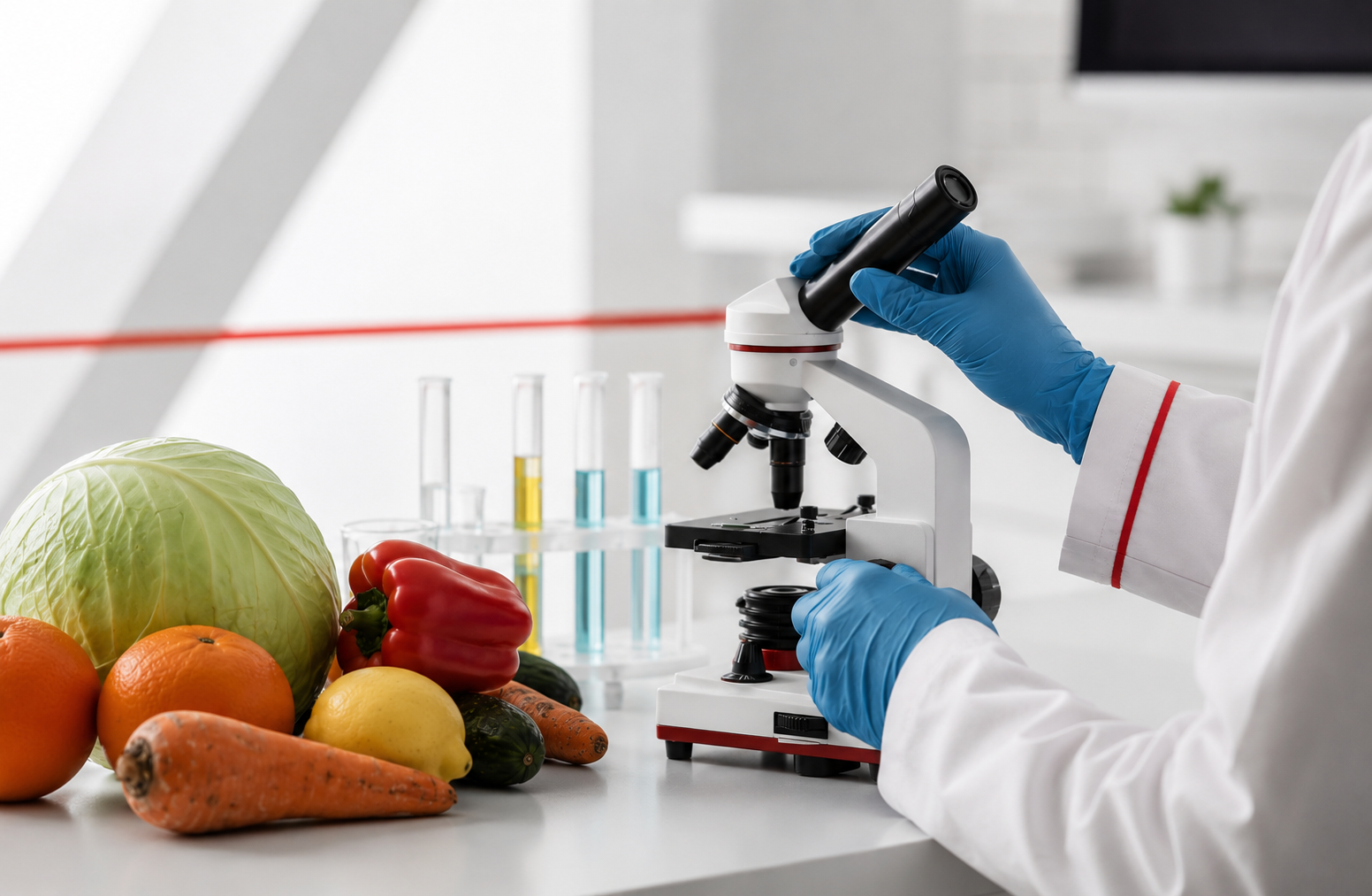
Implementing a HACCP system requires a detailed analysis of each company’s operations. There is no one-size-fits-all model, as it must be tailored to the size of the organization, the products it manufactures, and its specific processes.
In general, the implementation process consists of the following stages:
1. Analyze the company's operations
The first step is to gain a detailed understanding of the production processes, the raw materials used, the facilities, the equipment, and the final destination of the products.
2. Implement hygiene requirements
Before developing the HACCP plan, the company must have basic hygiene and self-monitoring programs in place, including:
- Cleaning and Disinfection.
- Pest control.
- Preventive maintenance of facilities and equipment.
- Control of water, gas, and other utilities.
- Waste management.
- Staff training.
- Best practices for handling.
- Traceability.
- Allergen Control.
- Supplier Management.
These programs form the foundation upon which the HACCP system is built.
3. Conduct a hazard analysis
All hazards associated with each phase of the process are identified, and those requiring specific control measures are determined.
4. Define Critical Control Points
Critical Control Points (CCPs), critical limits, monitoring procedures, and corresponding corrective actions are established.
5. Document the system
All information must be documented in procedures, instructions, and records that demonstrate the proper functioning of the HACCP system.
6. Train staff
Employee involvement is essential for the system to function properly. Everyone must be familiar with the procedures that affect their duties and understand the importance of maintaining the established controls.
7. Review and verify the system periodically
The HACCP is not a static document. It must be updated whenever processes, products, legislation, or identified risks change, and it must be verified through periodic audits and reviews.
ACERTA: Your Partner in Verifying an Effective HACCP System

Implementing a HACCP system is only the first step. To ensure its effectiveness, it is essential to verify that the defined measures are being implemented correctly and remain adequate to address existing risks.
At ACERTA we review and verify HACCP systems through document audits and on-site evaluations. We analyze the proper implementation of prerequisite programs, hazard identification, the management of Critical Control Points (CCPs), and compliance with the requirements established by legislation and the major food safety standards.
Our goal is to help food companies strengthen their self-monitoring systems, improve the safety of their processes, and demonstrate compliance with the requirements set by customers, distributors, and regulatory authorities.
A properly implemented HACCP system not only ensures compliance with regulations but also serves as a strategic tool for protecting consumers, minimizing risks, and building trust throughout the entire food chain.
Questions Frequently Asked Questions
-
The HACCP (Hazard Analysis and Critical Control Points) system is a preventive method that identifies, evaluates, and controls risks that may affect food safety at every stage of the food chain.
-
The seven principles of HACCP are: analyzing hazards, identifying critical control points (CCPs), establishing critical limits, implementing a monitoring system, defining corrective actions, verifying the system, and maintaining documentation and records.
-
Most companies in the food sector —including food manufacturers, processing companies, distributors, carriers, retailers, and the hospitality and restaurant industries—must implement an HACCP system, adapting it to their specific operations and level of risk.
-
Yes. European legislation requires food businesses to establish self-monitoring procedures based on HACCP principles to ensure the safety of the food they produce, handle, or market.
-
Good Hygiene Practices (GHP) form the basis of the HACCP system. They include measures such as cleaning, pest control, maintenance, and staff training, while HACCP focuses on controlling process-specific hazards.
-
At ACERTA, we verify the proper implementation of the HACCP system through document reviews and on-site assessments, helping companies comply with regulations and strengthen food safety in their processes.