


An environmental impact assessment is an administrative procedure governed by Law 21/2013 that analyzes a project’s effects on the environment prior to its approval.
Its goal is to prevent, correct, and minimize significant environmental impacts before implementing a project, by incorporating sustainability and environmental protection criteria into the decision-making process.
In Spain, this procedure applies to numerous sectors, including infrastructure, energy, industry, urban planning, mining, and waste management. In addition, the autonomous communities have their own jurisdiction over environmental assessment, so certain requirements and procedures may vary depending on the competent authority.
An environmental assessment makes it possible to identify environmental risks from the earliest stages of a project and to establish preventive, corrective, and compensatory measures tailored to each specific action.
What is an environmental impact assessment?
An environmental impact assessment (EIA) is the process by which the government analyzes the potential effects a project may have on the environment before authorizing its implementation.
This procedure evaluates aspects such as:
- Biodiversity
- Soil, water, and air
- The landscape
- Population and Human Health
- Cultural heritage
- The Weather and Climate Change
- Natural resources
The purpose of an environmental impact assessment is to ensure that projects include appropriate measures to prevent or reduce their potential negative effects on the environment.
Spanish regulations require that certain projects undergo an environmental assessment before obtaining administrative approval.
The procedure is initiated by the project sponsor —whether an individual or a legal entity, public or private—by submitting an application to the competent authority, that is, the agency responsible for authorizing the project.
Difference between an environmental impact assessment and an environmental impact study

Although the two concepts are often confused, they do not mean exactly the same thing.
What is an environmental impact assessment?
An environmental impact assessment is a comprehensive administrative procedure governed by environmental regulations. It includes:
- Consultations with affected agencies
- Public Information
- Technical evaluation
- Analysis of Alternatives
- Final decision of the environmental agency
What is an environmental impact study?
An environmental impact study is a technical document prepared by the project developer as part of the environmental assessment process. This document identifies, describes, and evaluates the potential environmental impacts of the project and proposes preventive, corrective, and compensatory measures to minimize those effects.
In summary:
- An environmental assessment is an administrative procedure.
- The environmental impact study is the primary technical document used in that process.
Types of Environmental Impact Assessments
The Law 21/2013 distinguishes between two main environmental assessment procedures.
Standard Environmental Impact Assessment
The standard environmental assessment applies to projects with significant environmental impacts and concludes with an Environmental Impact Statement (EIS).
It is often required in projects such as:
- Major infrastructure projects
- Highways and railroads
- Power plants
- Large industrial facilities
- Mining operations
- Dams and water infrastructure
The Environmental Impact Statement determines whether the project is environmentally viable and under what conditions it can be implemented.
The environmental agency has a maximum of four months from the date of receipt of the complete application to issue the DIA.
Once published, the DIA becomes invalid if the project does not begin within five years, although the developer may request an extension of up to an additional 30 months.
Simplified Environmental Impact Assessment
The simplified assessment applies to projects with a lower potential for environmental impact and concludes with an Environmental Impact Report.
This report concludes:
- If the project can be implemented directly
- Or if you need to undergo a routine evaluation
The deadline for issuing the report is three months from the date the request to initiate the process is received.
Like the DIA, the Environmental Impact Report expires if the project has not been approved within five years of its publication, with the possibility of a 30-month extension.
This procedure is typically applied to modifications of existing projects, smaller-scale facilities, and certain industrial or energy projects.
Which projects require an environmental impact assessment?
The requirement to conduct an environmental impact assessment depends on factors such as the type of activity, the size of the project, its location, its proximity to protected areas, and its potential environmental impact.
Projects that may require an environmental assessment include:
- Transportation infrastructure
- Power plants
- Industrial facilities
- Mining operations
- Urban development projects
- Landfills and Waste Management
- Large-scale crop or livestock farms
Specific analyses may also be required when there are potential impacts on protected areas, biodiversity, or sites included in the Natura 2000 Network.
In the Community of Madrid, for example, projects that may directly or indirectly affect Natura 2000 sites are subject to a simplified assessment even if they are not listed in the annexes to Law 21/2013.
How to Conduct an Environmental Impact Assessment

The procedure may vary depending on the project and the relevant government authority—whether federal, state, or local—but it typically involves several common steps.
1. Project Definition
The developer defines the technical specifications of the project, its location, and possible alternatives.
At this stage, relevant environmental factors, potential impacts on the local area, and environmental risks associated with the project are already identified.
2. Preparation of the environmental impact study
The environmental impact study analyzes:
- Project Features
- The affected area
- The foreseeable impacts
- The options considered
- Preventive and corrective measures
- Countervailing measures
- The environmental monitoring program
The environmental agency assesses the technical and environmental adequacy of the documentation submitted during the proceedings.
3. Inquiries and Public Information
The administration makes the file available for public review and seeks input from affected agencies and relevant authorities. The public comment period must be at least 30 business days.
This process allows for the consideration of environmental and land-use concerns before the final decision is issued.
4. Assessment by the environmental agency
The environmental agency reviews all technical documentation, the comments received, and any potential cumulative or indirect impacts to determine the project's environmental feasibility.
5. Environmental Resolution
The procedure concludes by:
- An Environmental Impact Statement (EIS) under routine review
- Or an Environmental Impact Report, under a simplified review process
The decision may approve the project, approve it with conditions, or determine that it is environmentally unfeasible.
What should an environmental impact study include?
The content of the environmental impact study depends on the type of project, although it typically includes:
- Technical Description of the Project
- Environmental inventory of the surrounding area
- Identification and assessment of impacts
- Analysis of Alternatives
- Preventive and corrective measures
- Compensatory measures
- Environmental Monitoring Program
- Non-technical summary
The regulations also require an assessment of cumulative and indirect impacts, climate change, biodiversity, and the consumption of natural resources.
The content of the study must comply with the criteria set forth in Annex VI of Law 21/2013 and, where applicable, with the relevant regional regulations.
Difference between strategic environmental assessment and environmental impact assessment
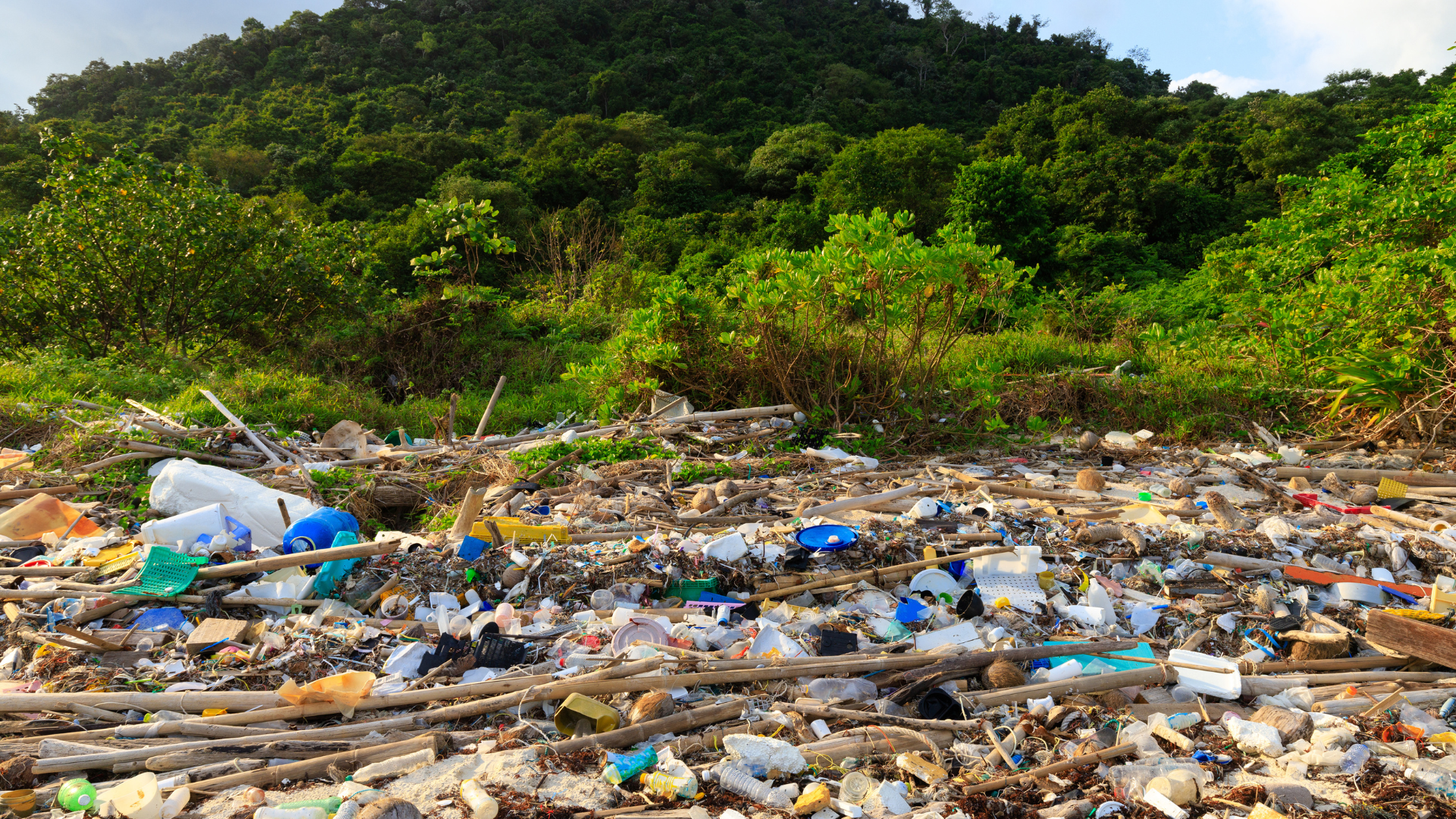
Strategic environmental assessment (SEA) and environmental impact assessment (EIA) are distinct procedures.
Strategic Environmental Assessment
SEA applies to plans, programs, and planning tools—such as urban, regional, or sectoral plans. Strategic environmental assessment is conducted in the early stages of planning, before specific projects have been defined.
Environmental Impact Assessment
The EIA applies to specific projects such as infrastructure, industrial facilities, or power plants.
The main difference is that strategic environmental assessment examines planning as a whole, whereas environmental impact assessment focuses on specific, already defined projects.
Who can prepare an environmental impact study?
Environmental impact studies are typically prepared by technical teams specializing in environmental science, engineering, biology, geology, hydrology, or land-use planning.
Given the technical and regulatory complexity of the process, it is common to engage environmental consulting firms or specialized engineering firms with experience in environmental assessment and administrative procedures.
The Importance of Environmental Assessment for Businesses
An environmental assessment does more than just ensure compliance with applicable regulations. It also helps companies identify regulatory and environmental risks before making significant investments.
Among its main benefits are:
- Early identification of environmental risks
- Regulatory Risk Mitigation
- Improving project planning
- Anticipating administrative constraints
- Minimizing environmental impacts
- Strengthening sustainability and environmental management policies
In sectors subject to strict environmental regulations, anticipating the requirements of the process can help reduce costs, delays, and the risk of administrative rejection.
Having access to expert advice can streamline the environmental permitting process and improve the technical quality of the submitted documentation.
Regulatory Framework for Environmental Assessment in Spain
Environmental impact assessments in Spain are primarily regulated by:
- Law 21/2013 on Environmental Assessment
- Directive 2011/92/EU, as amended by Directive 2014/52/EU
- The applicable regional regulations in each autonomous community
These regulations specify which projects are subject to environmental review and govern the applicable administrative procedures.
The authority to conduct the environmental assessment lies with the government body responsible for authorizing the project: federal, state, or local, as applicable.
Environmental impact assessment is a key tool for reconciling economic development with environmental protection.
This procedure makes it possible to identify, prevent, and address environmental impacts before implementing projects that could affect the environment, by incorporating environmental criteria into the decision-making process.
Against a backdrop of increasing regulatory requirements and a growing focus on sustainability, environmental assessment has established itself as a key element in ensuring that projects are more responsible, viable, and aligned with environmental protection.
Questions Frequently Asked Questions
-
It is the administrative process that analyzes the potential environmental effects of a project before approving it, assessing its impact on biodiversity, soil, water, air, human health, cultural heritage, and climate change.
-
An environmental assessment is the comprehensive administrative process, whereas an environmental impact study is the technical document prepared by the developer that is used as part of that process.
-
Yes. Law 21/2013 and regional regulations specify which projects must undergo a standard or simplified assessment.
-
Primarily Law 21/2013 on environmental assessment, together with European Directive 2011/92/EU and applicable regional regulations.
-
It depends on the type of activity, size, location, and potential environmental impact of the project. The annexes to Law 21/2013 specify which projects are subject to a standard assessment and which to a simplified one.
-
The project sponsor, by submitting the application to the competent authority responsible for approving the project.
-
The standard assessment process has a maximum timeframe of 4 months to issue the Environmental Impact Statement from the date the complete application is received. The simplified process has a maximum timeframe of 3 months to issue the Environmental Impact Report.
-
The EIS becomes invalid if the project does not begin within five years of its publication, although an extension of up to an additional 30 months may be requested.
-
Typically, environmental consulting firms or specialized technical teams with knowledge of applicable federal and state regulations.
-
The cost depends on the type of project, its technical complexity, location, proximity to protected areas, and the scope of the required environmental analysis. Each project requires an individualized assessment.