


Theindustrial value chainis the set of activities that enable a company to transform resources, knowledge, and technology into products with market value. It constitutes a strategic system that determines a company’s ability to compete, innovate, and adapt to the challenges of today’s industrial environment.
This concept encompasses all phases of the development of an industrial product or technology, from research and design through production, logistics, and marketing. Each of these stages contributes to creating value and strengthening the competitiveness of companies within the industrial ecosystem.
In this context, programs such as CVI 2025 are driving the modernization of the industrial sector by supporting R&D&I projects, digitalization, and sustainability. To access these grants, it is essential to properly structure the projects and, in many cases, to have anR&D&I certificationthat attests to their innovative nature.
Understanding how it works is key toimproving competitiveness, optimizing processes, and accessing public funding. In this article, we explain what the industrial value chain is, which sectors it comprises, how to access CVI 2025 grants, and how to certify your projects to maximize funding and tax incentives.
What is the industrial value chain, and why is it strategic?
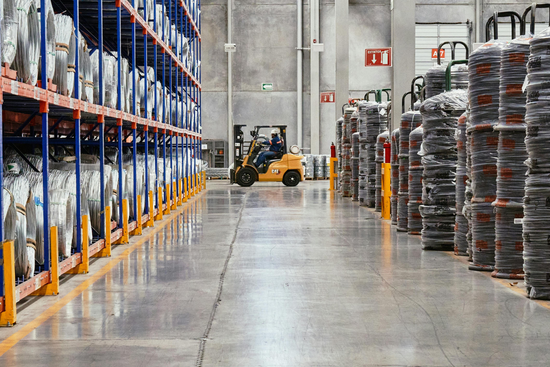
The industrial value chain refers to theset of activities required to develop an industrial product or technology, from research through to commercialization, with the aim of creating value and enhancing competitiveness.
Understanding an industrial company’s value chain makes it easier to identify where added value is actually generated and where inefficiencies may arise. In practice, evensmall improvements in processes or digitalization can make a big difference.In many cases, improvements in production processes, digitalization, logistics, or technological development can translate into significant competitive advantages.
Furthermore, efficient management of the value chain fosters collaboration among the various stakeholders in the industrial sector. Suppliers, technology centers, industrial partners, and customers are all part of the same ecosystem, in whichcooperation is essential for driving innovation and technological development projects.
Today, factors such as digital transformation, the energy transition, and European reindustrialization are profoundly changing the industrial landscape. In this context, optimizing the value chain is no longer just an option:it has become a strategic priority for many companies.
Added to this is another factor that is becoming increasingly important: sustainability. Improvements in resource use, reductions in emissions, and the adoption of circular economy models are transforming the way companies organize their production processes.
Organizations that incorporate these criteria into their value chain do more than just help protect the environment. They also improve their operational efficiency, strengthen their reputation, and are better equipped to adapt to new regulatory and market demands.
Key sectors in the industrial value chain
The industrial sector's value chain spans numerousstrategic sectors thatplay a key role in economic development, technological innovation, and the competitiveness of the manufacturing sector.
The main sectors of the industrial value chain are:
- Automotive and sustainable mobility: driven by electrification, digitalization, and new mobility models.
- Aerospace industry: characterized by its high level of technological sophistication and collaboration among companies, research centers, and government agencies.
- Chemical and pharmaceutical industry: key to the development of new materials and advanced technological solutions.
- Electronics and digital technologies: the foundation of Industry 4.0, with implications for automation, data analysis, and operational efficiency.
- Energy and the energy transition: focused on more sustainable and efficient production models.
- The metallurgical industry, advanced manufacturing, and industrial machinery manufacturing: traditional pillars of industrial production capacity development.
Taken together, these sectors account for a significant share of investment in innovation, create highly skilled jobs, and directly contribute to strengthening industrial competitiveness at both the national and international levels.
Specifically to bolster the development and competitiveness of these strategic sectors, the Ministry of Industry and Tourism has launched various support programs. Among them is the Industrial Value Chain Promotion Program (CVI 2025).
CVI 2025 Grants to Boost the Industrial Value Chain: What They Are and What Projects They Fund
TheIndustrial Value Chain Promotion Program (CVI 2025)aims to strengthen the competitiveness of the industrial sector by supporting projects that promote innovation, digitalization, and sustainability among companies.
This initiative is part of public strategies aimed at modernizing the industrial sector and strengthening its technological capabilities. In practice, it seeks to encourage investments that enable companiesto transition toward more efficient, sustainable, and digitized production models.
The grants are primarily intended forindustrial companies undertaking projects related to research, development, and technological innovation (R&D&I). Support is also provided for initiatives related to digital transformation, the implementation of Industry 4.0 technologies, the modernization of production processes, and the improvement of energy efficiency.
In addition, the program provides support for projects aimed at developing new products, technologies, or innovative industrial solutions.
In this context, the CVI 2025 program has become a very attractive opportunity for many industrial companies seeking to launch technology projects, strengthen their position within the industrial value chain, and access public funding for strategic projects.
Types of Projects Eligible for Funding Under CVI 2025
- Industrial R&D&I Projects
- Digitalization and Industry 4.0
- Energy Efficiency and Sustainability
- Development of new technological products
To qualify for this funding, you must clearly define the industrial project and align it with the objectives of the CVI 2025 program.
Step-by-Step Guide to Applying for CVI 2025 Grants
To qualify for CVI 2025 grants for industrial projects, applicants must follow a structured process that ensures the project’s technical and financial viability.
The process for applying for CVI 2025 grants can be summarized in the followingkey steps:
- Define the industrial project
Identify objectives, scope, and innovative components.
- Align the project with CVI 2025
Verify that it fits within areas such as R&D&I, digitalization, or sustainability.
- Prepare technical documentation
Project proposal, budget, technological impact.
- Evaluate R&D&I certification
Have the innovative nature of the project validated by an accredited entity.
- Submit your applicationat
within the official deadlines.
- Monitoring and reporting
Document and technical management of the project.
This process enables companies to properly structure industrial projects and increases their chances of successfully securing CVI 2025 grants.
Certification of R&D&I Projects: How to Access Grants and Tax Deductions

For many industrial companies, accessing public funding or tax incentives requires a rigorous demonstration of the innovative nature of their projects.
In this regard, the certification of R&D&I projects has become an essential tool for demonstrating to the authorities that the activities carried out meet the technical requirements established by current regulations.
Through this process, companies can objectively determine whether their projects fall under research, development, or technological innovation activities, which facilitates access to various public funding programs.
One of the main benefits of certification is that it allows companies to claim R&D&I tax credits with greater legal certainty. By obtaining an independent technical evaluation, companies have solid evidence to demonstrate the innovative nature of their activities.
In addition, certification can also improve the evaluation of projects in certain calls for public funding, as it provides additional technical accreditation that reinforces the technological aspect of the initiative.
In short, this process enables companies to mitigate risks related to government agencies and the tax authority, while also maximizing the return on their investments in innovation.
Benefits of R&D&I Project Certification
- More secure access to tax deductions
- Reduced risk during inspections
- Improvement in public aid scores
- Independent technical accreditation
The certification of R&D&I projects thus becomes a key factor in maximizing grants, tax deductions, and legal certainty.
In programs such as CVI 2025, this certification can be key to strengthening the technical evaluation of the project
How ACERTA Can Help You Certify Projects in the Industrial Value Chain
In an increasingly competitive industrial environment , having the support of a certification specialist can make a significant difference when it comes to accessing public funding or applying for tax incentives.
ACERTA is an accredited entity for the certification of Research, Development, and Technological Innovation (R&D&I) projects that assists industrial companies with the technical validation of their innovative projects within thevalue chain of the industrial sectorand the company. It has over 10 years of experience in certifying R&D&I projects and a high acceptance rate for Binding Reasoned Reports (IMV).
Through a rigorous independent evaluation process, ACERTA enables companies to officially certify that their activities constitute R&D or technological innovation. This facilitates access to public incentives and provides greater legal certainty regarding the application of tax deductions.
Among the services offered by ACERTA are the certification of R&D&I projects, assistance in obtaining Binding Reasoned Reports (IMV), independent technical evaluations of industrial projects, and specialized consulting to optimize the application of R&D&I tax credits.
In addition, ACERTA provides technical support for applying for industrial aid and public funding programs, helping companies make better use of the available opportunities.
Thanks to this technical support, organizations can maximize the grants and tax benefits associated with their innovation projects, mitigate risks related to government regulations, and strengthen their competitive position within the industrial value chain.
In a landscape shaped by digital transformation and the promotion of initiatives such as CVI 2025, having independent technical certification enables companies to better structure their projects, increase their chances of success in grant applications, and turn innovation into a real competitive advantage.
Key Elements of the Industrial Value Chain
- It allows you to analyze how value is created in an industrial company
- Improvesefficiency, innovation, and competitiveness
- It is essential for accessing grants such as CVI 2025
- Certification of R&D&I projects provides tax deductions and funding
Frequently Asked Questions Frequently Asked Questions
-
The industrial value chain is a strategic system that encompasses all the activities necessary to develop an industrial product or technology, from research and design through production, logistics, and marketing. Analyzing it makes it possible to identify where added value is generated at each stage of the production process and where inefficiencies may arise, with the aim of improving the company’s competitiveness.
-
Optimizing an industrial company’s value chain improves operational efficiency, reduces costs, drives innovation, and enhances the ability to adapt to market changes. It also facilitates collaboration with suppliers, technology centers, and industrial partners, and opens the door to public funding and R&D&I tax credits linked to technological improvement or digitalization projects.
-
The industrial sector's value chain encompasses strategic sectors such as the automotive industry and sustainable mobility, the aerospace industry, the chemical and pharmaceutical industries, electronics and digital technologies, energy and the energy transition, as well as traditional sectors such as metallurgy, advanced manufacturing, and industrial machinery manufacturing.
-
The CVI 2025 Program (Program to Promote the Industrial Value Chain) is an initiative of the Ministry of Industry and Tourism aimed at strengthening the competitiveness of Spain’s industrial sector. It is primarily targeted at industrial companies engaged in R&D&I projects, digital transformation, the implementation of Industry 4.0 technologies, the modernization of production processes, or the improvement of energy efficiency.
-
The CVI 2025 program provides public funding for industrial projects focused on innovation, digitalization, and sustainability. Among the initiatives supported are the development of new industrial products and technologies, the modernization of production processes, and the implementation of Industry 4.0 solutions. The goal is to help companies transition to more efficient and competitive production models.