

The National Court has strengthened the legal certainty surrounding R&D&I tax deductions by confirming that the technical classification of a project set forth in a Binding Reasoned Report, as well as the expense items associated with the recognized activities, cannot be reinterpreted at a later date during a tax audit.
The National Court has issued a ruling of particular interest to companies that claim tax deductions for Research, Development, and Technological Innovation (R&D&I) activities, as it reinforces the practical value of the Binding Reasoned Reports (IMV) issued by the relevant ministry.
The resolution, dated April 24, 2026, addresses an issue that has been the subject of debate for years: to what extent the Tax Agency may review matters that have already been analyzed and acknowledged in a Binding Reasoned Report.
The origin of the controversy
“When an expense is linked to a technical activity that has been reviewed by the certifying body, approved by the Ministry, and included in the IMV, the AEAT cannot exclude that expense if doing so would require it to deny or reinterpret the technical nature of that activity,” says Matías Romero, CEO of ACERTA.
Spanish law stipulates that Binding Reasoned Reportsare binding on the tax authorities regarding the classification of activities as R&D or Technological Innovation.
However, in some audit proceedings, the Tax Agency has argued that, even while formally acknowledging the existence of technological innovation activities, certain related work or expenses should not be included in the basis for the deduction.
In practice, this interpretation could significantly reduce the economic impact of a project that had previously been approved by the Ministry.
The position of the National Court
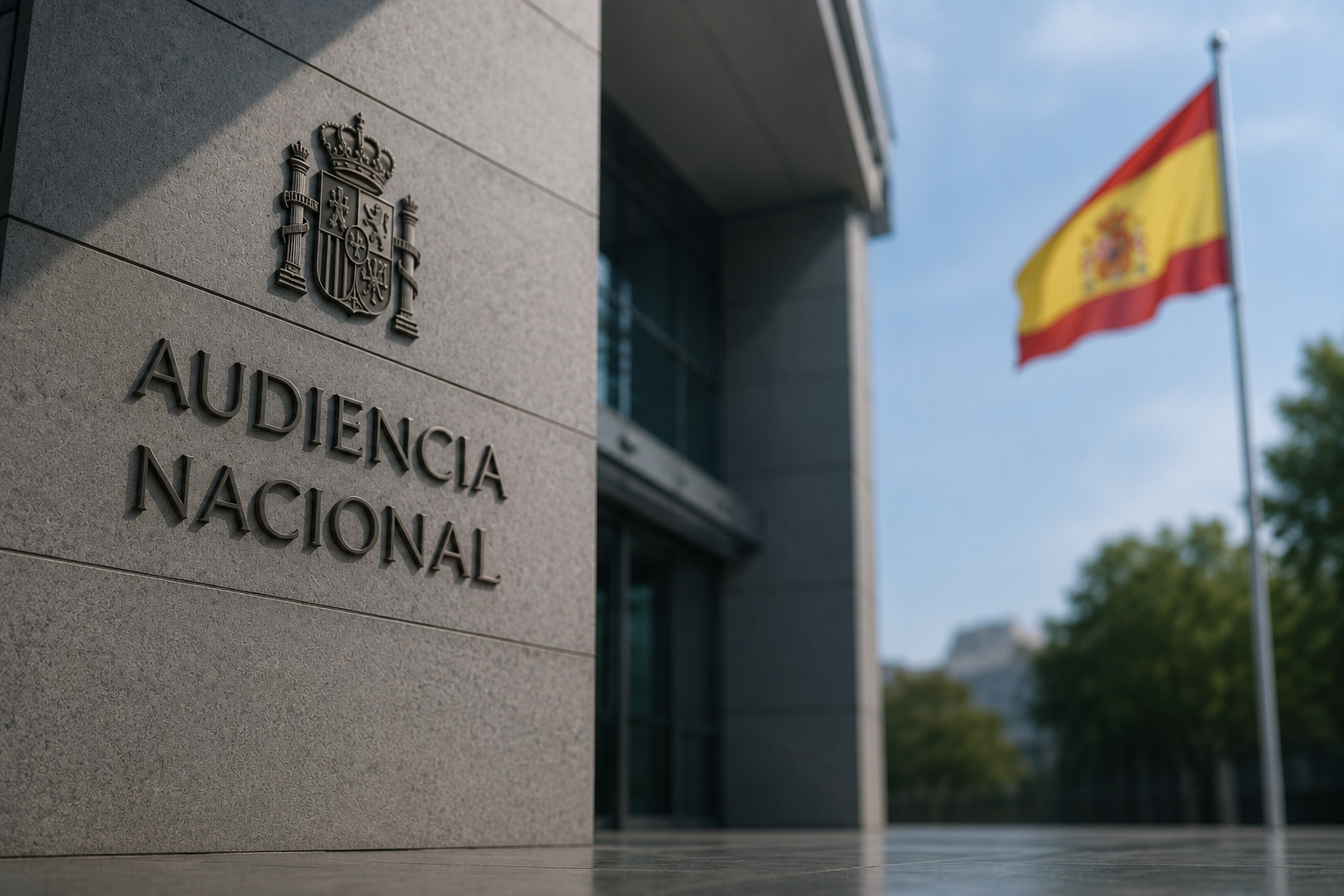
The National Court concludes that the Tax Agency cannot use the review of expenses to indirectly reexamine technical issues that have already been assessed by the competent body through a Binding Reasoned Report.
According to the ruling, when the tax authority re-examines the technical nature of the activities carried out to determine whether certain actions constitute technological innovation, it is exceeding the scope of review granted to it by law.
A significant strengthening of legal certainty
The ruling sends a particularly important message to innovative companies: Binding Reasoned Reports must have real and effective consequences.
Among the main practical implications of the ruling are:
- Greater protection against subsequent technical reinterpretations of projects that have already been evaluated.
- Strengthening taxpayers' legitimate expectations regarding the conclusions reached by the competent ministry.
- Greater stability and predictability in the application of tax incentives for R&D&I.
- Strengthening the role of Binding Reasoned Reports as a tool for legal certainty.
Does this mean the deduction is now protected?
No. The ruling does not eliminate the Tax Agency’s authority to conduct audits. The Administration retains full authority to verify matters such as:
- The reality of reported expenses.
- Proper accounting for it.
- Correct allocation to the appropriate period.
- The existence of sufficient supporting documentation.
- Calculating the deduction.
- Compliance with the limits set forth in tax regulations.
What the ruling limits is the ability to challenge again the technical nature of activities that have already been validated through a Binding Reasoned Report.
The ruling marks a new step toward strengthening the legal certainty of the Spanish system of tax incentives for R&D&I.
Its main contribution is to highlight that Binding Reasoned Reports are not merely an administrative formality, but rather a tool designed to provide certainty to innovative companies and prevent technical issues that have already been evaluated from being reopened at a later date by other government agencies.
All of this helps to strengthen businesses' confidence in one of the main public support mechanisms for innovation currently in place in Spain.